March 26, 2026 — Miami
This column appeared in the Florida Jewish Journal.
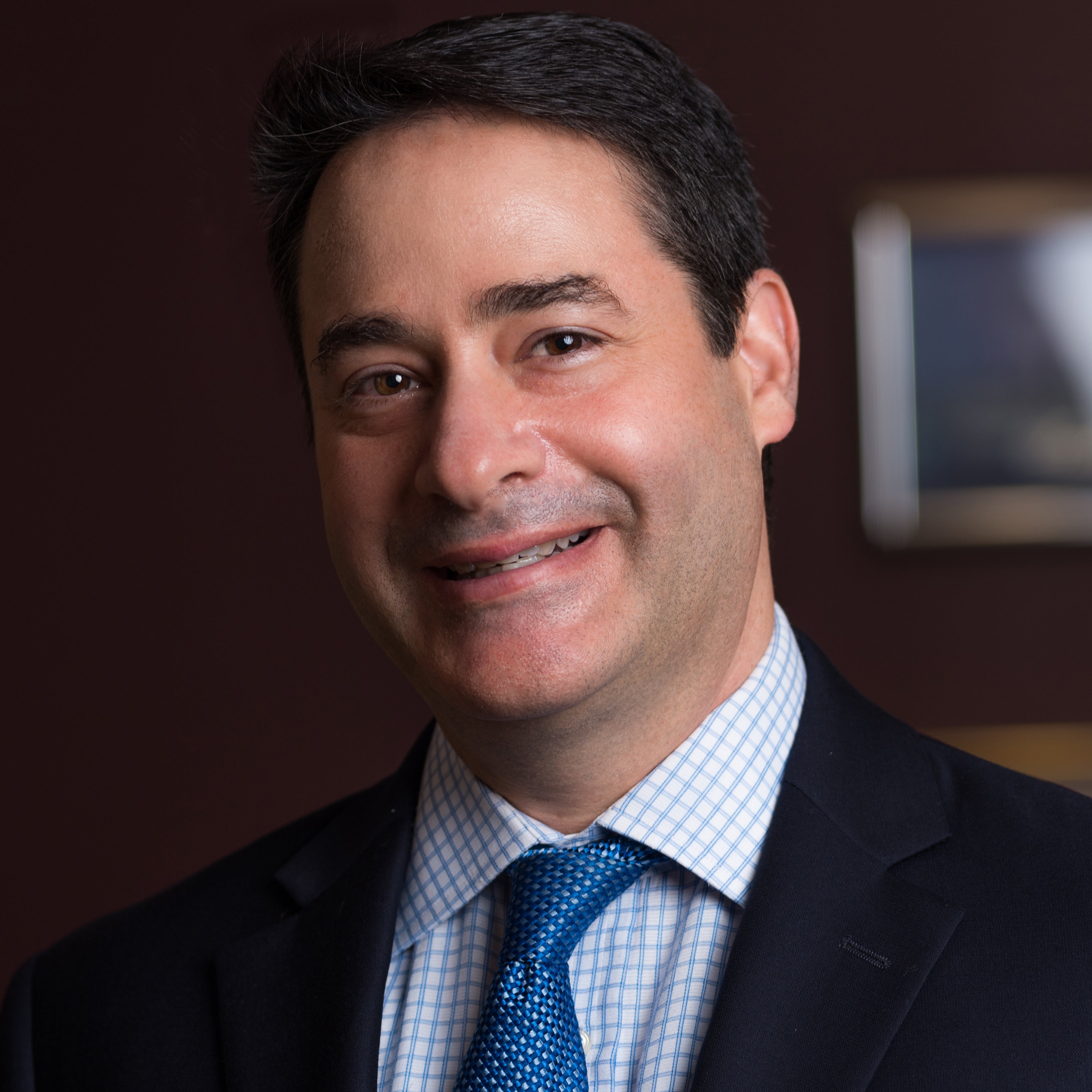
By Brian Siegal and Madeline Pumariega
Passover is among the observances most central to Jewish life. It commemorates the Exodus from Egypt more than 3,000 years ago, when the Israelites were liberated from slavery and began their journey toward freedom and nationhood.
At the Seder table, Jewish families retell this story in vivid, sensory detail. We eat matzah, the bread of affliction baked in haste as our ancestor’s fled bondage. We taste bitter herbs to remember the pain of oppression. We lift four cups of wine to mark the stages of redemption. And we recount, generation after generation, the story of the Exodus and a way of remembering the enduring truth that freedom is both a gift and a responsibility.
That universal message finds a powerful home at the Freedom Tower.
As Miami-Broward Regional Director of American Jewish Committee and as President of Miami Dade College, we come from different personal histories, one rooted in the Jewish experience and the other shaped by the Cuban American journey. Yet this year, when we recently gathered to celebrate Passover at Miami’s Freedom Tower, our stories converged in a profound and uniquely Miami way.
For Jews, the Seder is not only an act of remembrance but an exercise in moral imagination. We are commanded to see ourselves as if we personally went out from Egypt. The Passover story has resonated far beyond the Jewish community because it speaks to a universal aspiration: the right of every person to live in dignity and liberty.
For Cuban Americans, the Freedom Tower is sacred ground. Known as the “Ellis Island of the South,” it served as the processing center for hundreds of thousands of Cuban refugees fleeing communism in the 1960s and beyond. Within its walls, families received documents, medical care, and the first reassurances that they were safe. It was there that many began the long and often difficult journey of rebuilding their lives in freedom.
The symbolism is unmistakable. The Jewish story of Exodus and the Cuban story of exile are separated by centuries, but they are united by a common thread: the courage to leave oppression behind and the determination to build anew in a land of promise. Both communities understand what it means to carry memory across generations – memory of hardship, yes, but also memory of resilience and hope.
Celebrating a Seder at the Freedom Tower brings these narratives into dialogue. It affirmed that Miami is not simply a collection of communities living side by side, but a tapestry woven from shared values. Around the Seder table in that historic building, Jewish and Cuban-American leaders sat together and recognized in one another a familiar story: parents sacrificing for children, faith sustained in adversity, and an unshakable belief in freedom.
The partnership between the Jewish and Cuban-American communities in Miami has enriched our civic life, strengthened our institutions, and amplified our collective voice in defense of democracy and human rights. We are also fortunate to have Cuban-American Jews who are a natural bridge between Latin and Jewish cultures in South Florida.
Together, our communities have stood against antisemitism and all forms of hatred. We have advocated for the security and legitimacy of Israel and for a free and democratic Cuba. We have invested in education, understanding that knowledge is the surest safeguard of liberty. And we have modeled how strong identities need not divide us; instead, they can anchor us as we build bridges across differences.
In a time when polarization and intolerance threaten the democratic fabric of our nation, the image of a Seder at the Freedom Tower offers a different vision, one of solidarity rooted in shared experience.
Passover teaches that liberation is not the end of the journey, it is the beginning of responsibility. The Freedom Tower stands as a monument to that same truth. By celebrating this ancient holiday within its walls, we honored both the Jewish journey from Egypt and the Cuban journey to Miami. More importantly, we recommitted ourselves, and our city, to the enduring promise that freedom, once attained, must be preserved and extended to all.
In that commitment, our two stories become one: a testament to the power of memory, the strength of community, and the boundless possibilities of a diverse democracy.
Brian Siegal is Director of AJC Miami-Broward. Madeline Pumariega is President of Miami Dade College.