November 3, 2025 — Miami
The following column appeared in the Miami Herald.
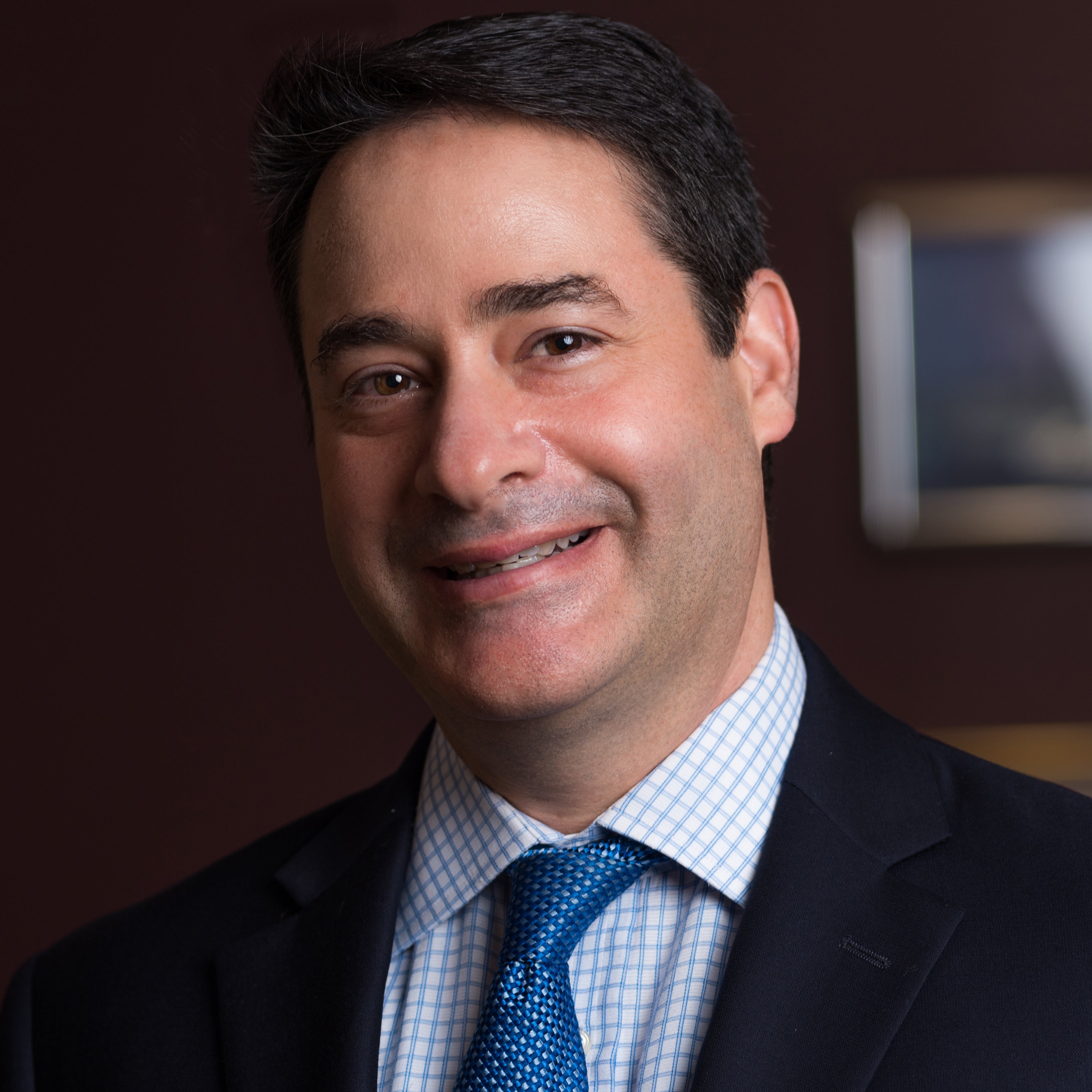
By Brian Siegal and Father Rafael Capo
Sixty years ago, the Catholic Church issued a revolutionary document called Nostra Aetate — Latin for “In Our Time.” Adopted during the Second Vatican Council, it marked a dramatic shift in how the Church viewed non-Christian religions and in particular how it related to Judaism.
Until then, centuries of Christian teaching had fostered deep suspicion and even hostility toward Jews. Nostra Aetate broke with that tragic legacy. It rejected the notion that Jews were collectively responsible for the death of Jesus, affirmed the shared spiritual heritage of Jews and Christians and called for “mutual understanding and respect” between the two communities.
In the aftermath of the Holocaust, this was not only a theological correction — it was a profound act of moral reckoning and a crucial step toward healing. For many Jews and Catholics, Nostra Aetate was a turning point. It laid the groundwork for a new relationship based not on conversion or confrontation but on dialogue and dignity. It transformed relationships of neighbors and laid a path for these neighbors to become partners.
In the decades since, we’ve seen powerful gestures of reconciliation: popes praying at the Western Wall, visiting synagogues and denouncing antisemitism in all its forms. But some of the most important changes have happened quietly—through friendships built in local communities, schools and places of worship.
Pope Leo XIV, the first American-born pope, pledged again to continue and to strengthen the Church’s dialogue with the Jewish people. “Trusting in the assistance of the Almighty,” he wrote in a letter to Rabbi Noam Marans, the interreligious affairs director for the American Jewish Committee, “I pledge to continue and strengthen this dialogue in the spirit of Nostra Aetate.”
In South Florida, those bonds have deepened over time. Our Jewish community has found a strong and consistent partner in the Archdiocese of Miami and its leaders. The American Jewish Committee Miami and Broward recently joined with St. Thomas University, the Archdiocese and national Catholic leaders to commemorate the 60th anniversary of Nostra Aetate.
These gatherings are more than ceremonies. They are reminders of what’s possible when people of different faiths choose to engage each other with honesty, humility and hope. This work is about remembering history while also confronting the realities of today. Antisemitism has reached alarming levels across the U.S. and around the world, including here in Florida.
When synagogues are targeted, when Jewish students face harassment, when conspiracy theories spread unchecked, the message of Nostra Aetate takes on renewed urgency. The document calls on Catholics to stand against antisemitism “at any time and by anyone.”
That moral clarity matters not just as an ideal but as a guide for action. And it challenges all of us, regardless of faith, to condemn hate and actively build relationships that push back against division.
In South Florida, we’ve seen what that looks like: shared interfaith programs, joint service projects and open dialogue between Jewish and Catholic leaders and communities. These relationships don’t eliminate disagreements, but they do foster the kind of trust that helps communities respond together in times of crisis and celebrate together in times of joy.
So what is next in this journey? We must teach our children that different faiths can show each other dignity and respect. We need to show up for one another in moments of pain. We will speak out when bigotry targets any group. And we will build a future where shared values — justice, compassion and human dignity — bind us more tightly than our differences divide us.
In our time, and going forward into the future, that remains the promise of Nostra Aetate.
Brian Siegal is director of the American Jewish Committee Miami and Broward regional office. Father Rafael Capo is the vice president for mission and ministry at St. Thomas University in Miami Gardens.