June 23, 2026 — New York
This column appeared in AM NY.
By Marisa Bearak
For generations, New York has been a place where Jews could participate in public life with a confidence much of Jewish history rarely afforded.
That is why one finding from American Jewish Committee’s State of Antisemitism in America 2025 Report should give every New Yorker pause, Jewish or not. More than half of Jewish New Yorkers—56%—say they changed their behavior because of fear of antisemitism, up from 36% in 2021.
That means such things as removing a Star of David necklace, avoiding certain places, or being more cautious about attending Jewish events. But there is another dimension to this worrisome trend.
Many Jews feel pressure to explain, defend, or distance themselves from their connection to Israel before they can fully participate in public life.
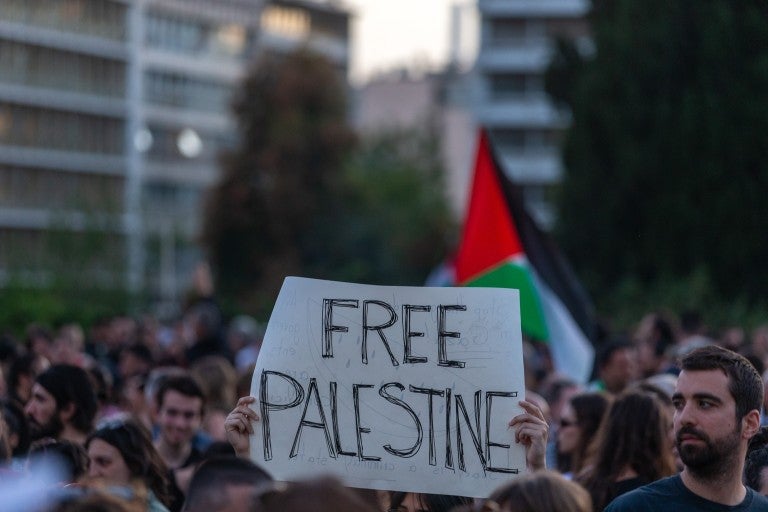
We have seen this dynamic play out on New York college and university campuses. Last month, student leaders at The New School sought to strip funding from Hillel, the country’s largest Jewish campus organization. Citing Hillel's connection to Israel and Israel-focused programming, the student senate argued that its “institutional and material ties” rendered it ineligible for student funding—a demand the university swiftly rejected.
Why that matters: most American Jews support zionism–the belief that the Jewish people have a right to self-determination in their ancestral homeland. The voices of antizionists—those who oppose the existence of the only Jewish state—have grown increasingly louder.
Granted, not every criticism of Israel is antisemitic, nor is that criticism necessarily antizionist by default. Criticism of a government’s policies is legitimate and inevitable in any democracy—and it happens every day in Israel. However, too often, hostility toward Israel morphs into hostility toward Jews.
A city cannot effectively address antisemitism and protect its Jewish residents if it refuses to recognize the ways many Jews actually experience it. And too often nowadays, antisemitism begins with antizionism. Our leaders cannot treat them as separate phenomena.
New York remains one of the world’s greatest centers of Jewish life. Generations of Jewish New Yorkers have helped shape the city we know today. Preserving that legacy requires more than security measures. It demands an honest recognition that antisemitism does not always arrive in the form of ages-old tropes about Jewish power, influence or loyalty, but can also manifest through exclusion or hostility directed at Jews because of their identity and connection to Israel.
More than half of Jewish New Yorkers say they are changing their behavior because of fear of antisemitism. A city that takes that finding seriously must be willing to ask why—and willing to act on the answer.
Marisa Bearak is assistant director of the AJC New York.