September 30, 2026 — Miami
This column appeared in the Miami Herald.
In the days after the Hamas terrorist attacks on Israel on Oct. 7, 2023, I heard the same words again and again from members of the Jewish community: “I feel so alone.”
Not angry. Not afraid.
Alone.
Those feelings have not entirely disappeared. Nearly three years later, antisemitism continues to surge in the U.S. and around the world. Jews face harassment, intimidation, vandalism and violence simply because they are Jewish.
Even more troubling, antisemitism is emerging from multiple corners of society and becoming normalized in places where it once carried social consequences. From violent attacks on Jewish institutions to harassment on college campuses and across social media, antisemitism has become more visible, more tolerated and, in some cases, more openly embraced.
Oct. 7 and the hatred that followed reminded us of something our ancestors understood all too well: freedom and security can never be taken for granted. Yet America remains the greatest home the Jewish people have ever known outside of Israel.
The lesson of the last three years is not that American Jews should retreat inward. It is that strong Jewish identity and strong relationships with others must go hand in hand.
If recent years have taught us anything, it is that we must invest in relationships beyond our community long before a crisis arises. We must speak candidly about Jewish experiences and concerns while also listening to others tell their stories.
Genuine partnerships are built through trust, honesty and consistent engagement. Fear can narrow our vision and tempt us to divide the world into friends and enemies. Reality is more complicated.
Most people do not harbor antisemitic views and feelings. Many simply do not know Jews well enough to understand our history, values, concerns or connection to Israel.
At American Jewish Committee, we have seen the power of bringing together faith leaders, civic organizations, diplomats, educators and community advocates. In just the past year, we have hosted young political leaders from Germany, partnered with the Italian consulate on Holocaust remembrance and advanced the promise of the Abraham Accords by bringing together business leaders from Bahrain, the UAE, Morocco and Israel.
Relationships that begin with conversation often become partnerships capable of confronting hatred, strengthening democracy and advancing the common good. That is especially important in South Florida, one of the most diverse regions in the nation.
The lesson is simple: The fact that countries and communities once separated by history and hate can become partners should remind us that we can never give up on building relationships. But being good neighbors does not require being silent. Jews should never sacrifice our pride, identity or the truth of our experiences in order to make others comfortable. Instead, let’s lean into that discomfort in pursuit of better understanding.
Support for Israel, a country to which most Jews feel a personal connection, has become overly politicized and a source of division. Debate is natural in any democracy, including Israel, where it is a veritable pastime, and supporters of Israel must recognize that not every criticism of Israel is antisemitic.
Unacceptable lines are crossed, however, when Jews alone are told they don’t have the right to self-determination in their ancestral homeland, when support for Israel becomes a reason to exclude Jews or when Jews are pressured to distance themselves from the world’s only Jewish state in order to be accepted.
And when that happens, those pangs of isolation and loneliness surface anew. Building relationships to ensure we never have to face hatred alone may be among the most important responsibilities of our time. In a moment when division often dominates our public life, those relationships will not only strengthen the Jewish community. They will strengthen America itself.
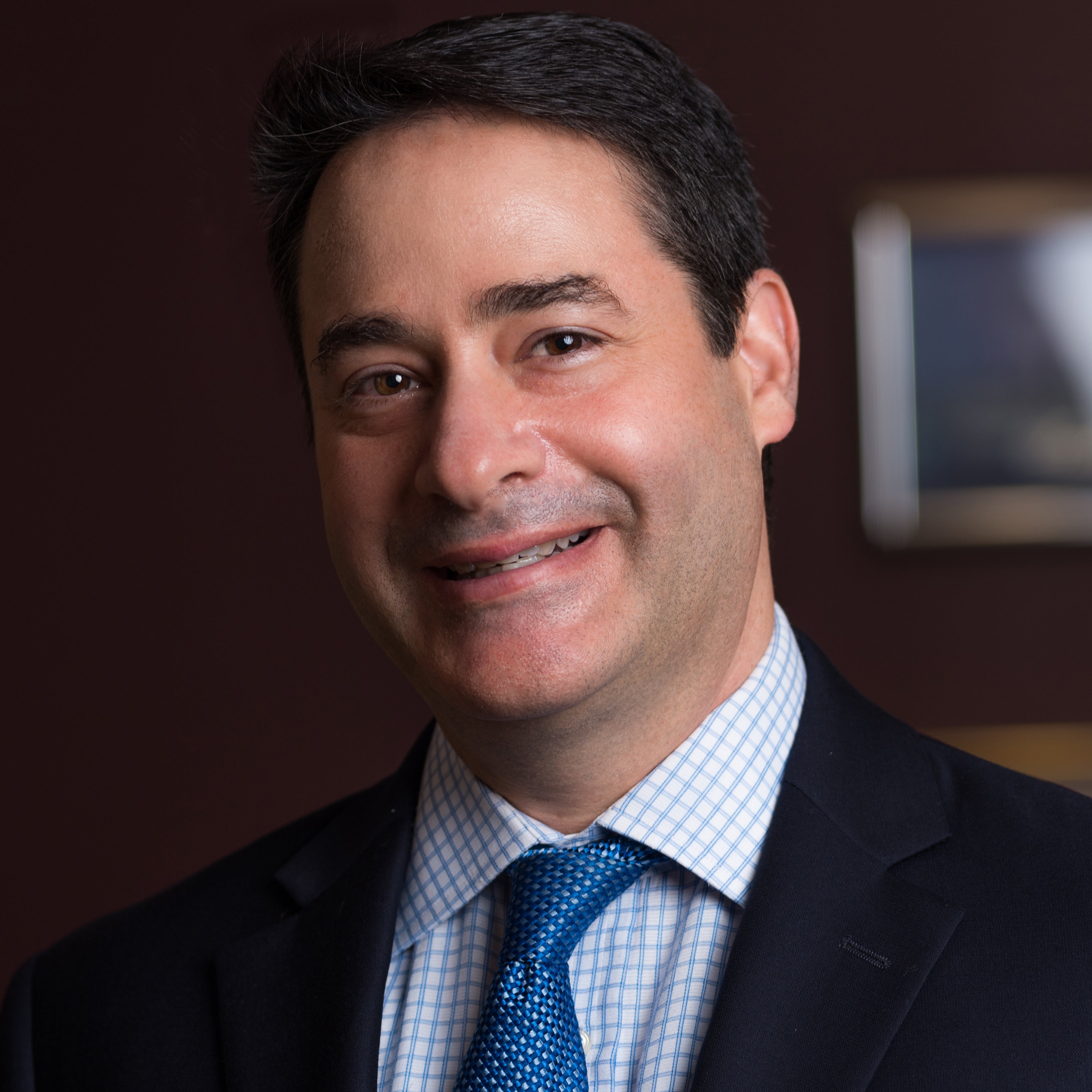
Brian Siegal is Director of AJC Miami and Broward.